

3D RENDERINGS FOR REAL ESTATE DEVELOPERS WHO SELL OFF-PLAN
Images to sell off-plan, not to fill a gallery
37 years and over 300 developments sold off-plan.
Before firing up a single machine, we decide exactly what your buyer needs to see to understand the home’s value and arrive at the viewing with fewer questions.
The question isn't how many images to create.
The question is what the buyer needs to see to understand the value of your development and move forward with fewer doubts.
Once that is clear, everything starts to make sense:
which image to create,
from what angle to present it,
and what type of visual asset your project truly needs.
Thirty-seven years and over 300 developments have taught us something that technology alone cannot solve:
an image’s ability to drive sales depends on more than just the tool used.
It depends on knowing exactly what needs to be shown.
That is why we don’t create images simply to fill a gallery.
We create the specific images your development needs so that the buyer grasps its value sooner,
can picture themselves living there,
and arrives at the decision-making stage better prepared.
Still 3D renderings
Must-have images
The first image a buyer sees can determine whether they keep looking or move on to another development.
That is why we don’t create 3D renders just to fill a gallery.
We create the specific 3D renders your development needs so that buyers immediately grasp its value.
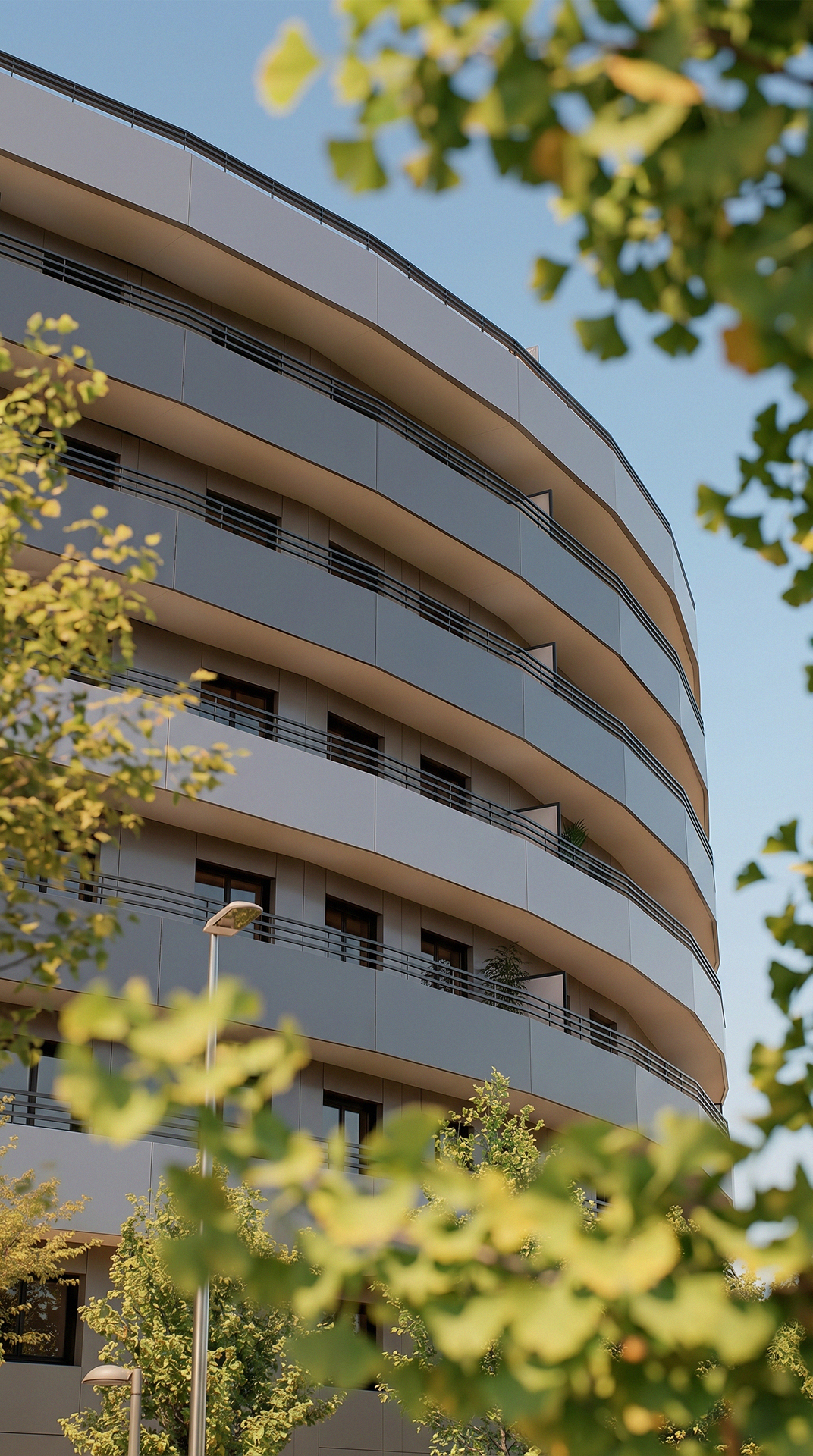
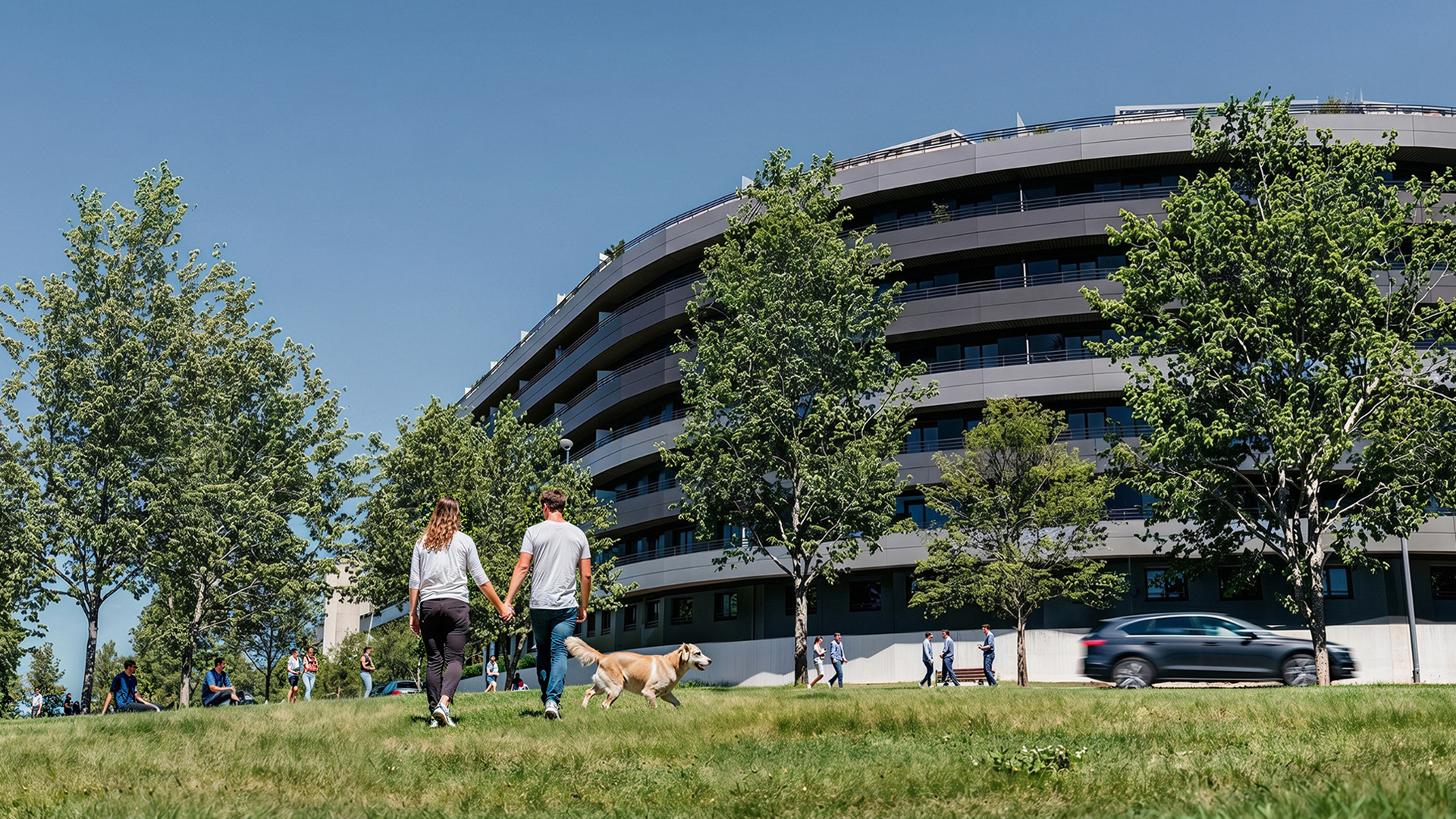
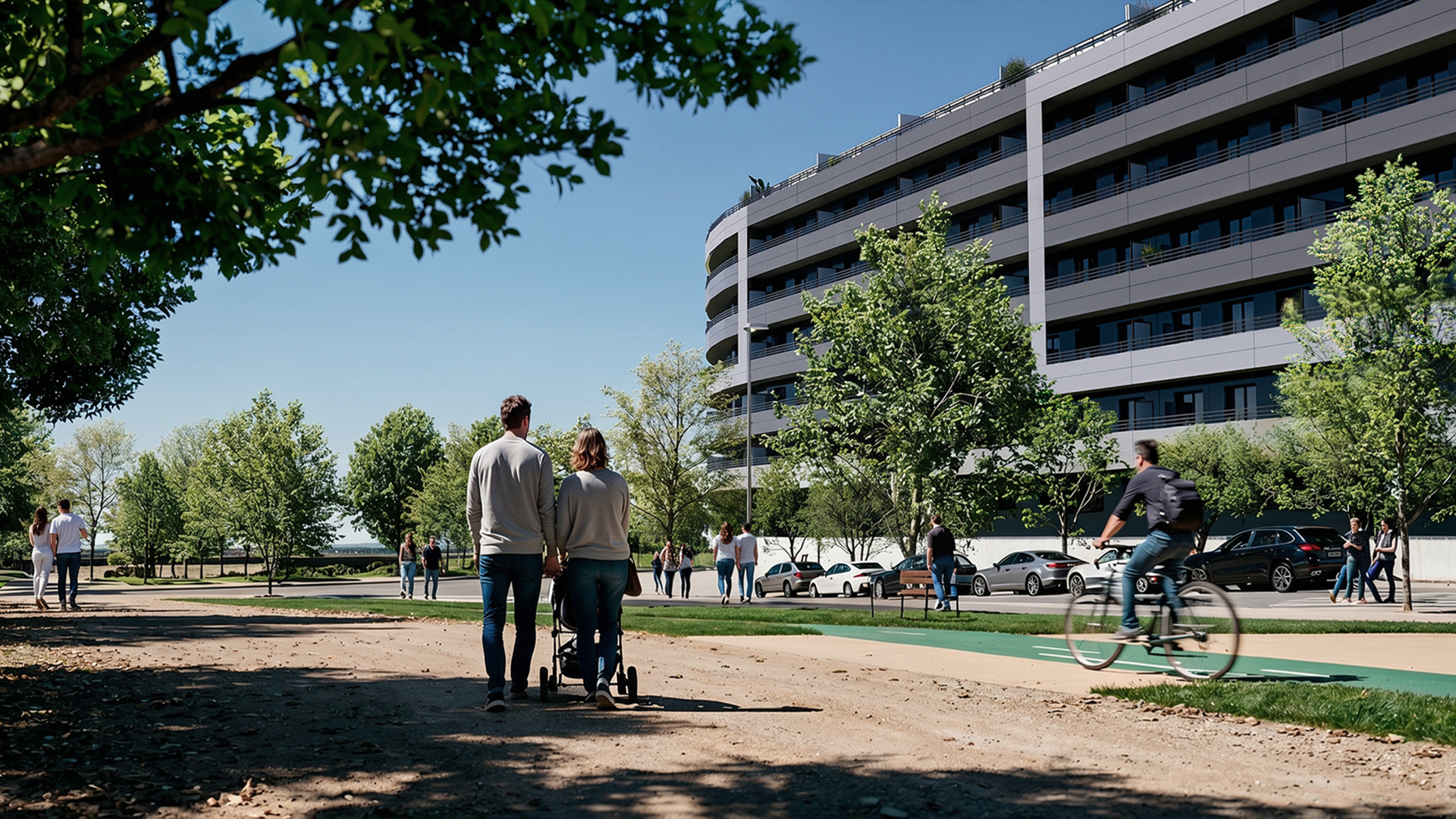
An exterior shot can sell presence, location, privacy, or status.
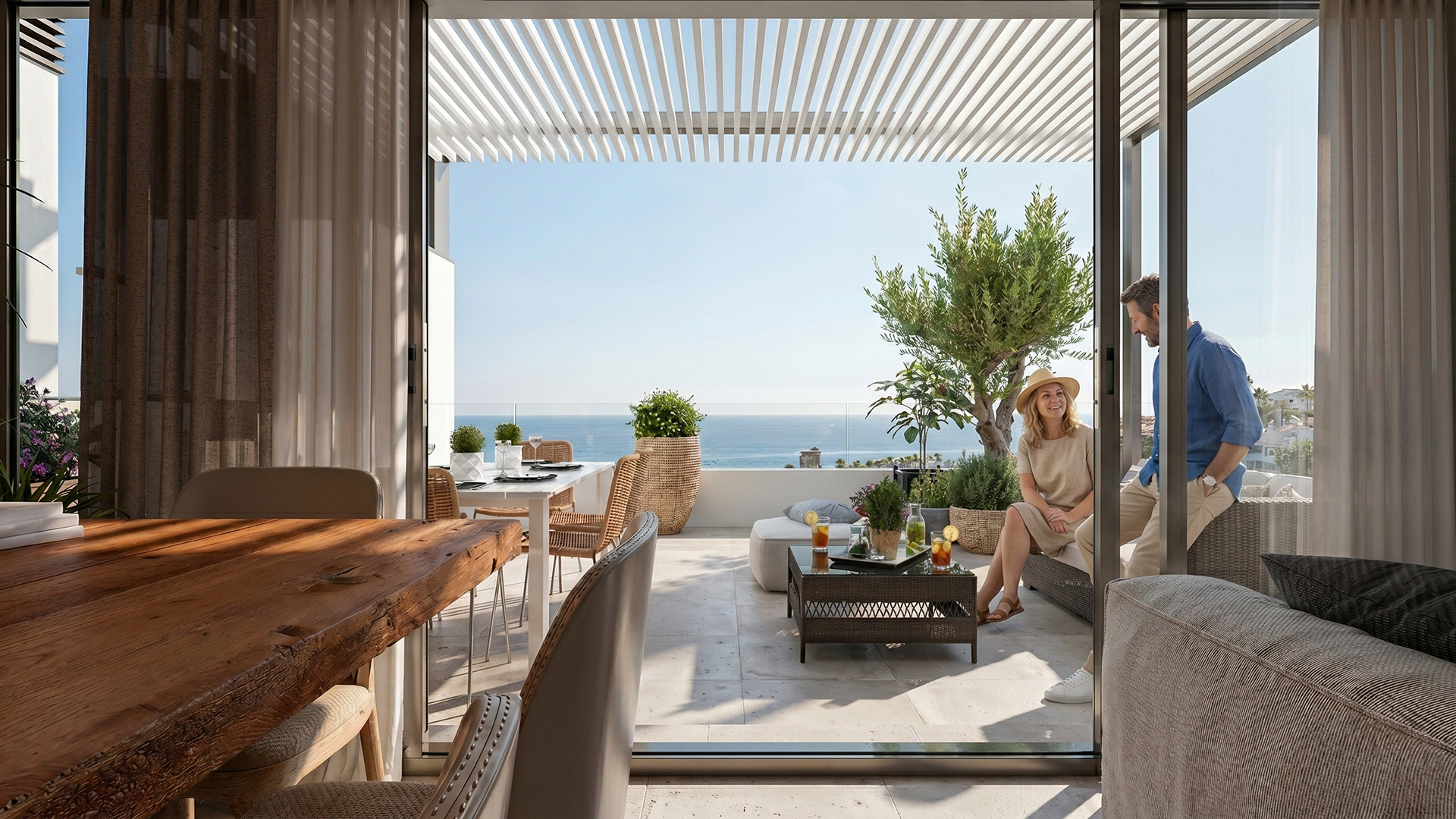
An interior shot can sell spaciousness, tranquility, light, family life, or the quality of finishes.
A terrace shot can sell freedom, relaxation, views, or a different way of living.
The right image isn’t necessarily the most beautiful one.
It is the one that conveys the key selling point most likely to drive the purchasing decision.
WHEN TO USE THEM
When the development needs to be understood quickly.
When first impressions matter.
When the buyer cannot yet visit the property but needs to visualize it.
When the sales team needs clear material to present, advertise, or champion the project.
WHAT THEY CONTRIBUTE
They help the buyer understand the value of the promotion before even asking.
They reduce uncertainty.
They make it easier to explain the promotion.
They provide the sales team with useful material for advertisements, the website, brochures, online portals, and presentations.
HOW WE MAKE THEM
We don’t start with the camera or the software.
We start with the promotion.
We analyze what holds the most value, which buyer needs to see it, and what image can best convey it.
Then we decide on the viewpoint, lighting, composition, level of detail, and format.
The tool comes later.
WHY US
Because we have spent 37 years creating images to sell developments before they even exist.
Because we don’t work based on volume.
We work based on intent.
Every image must have a reason for being.
If it doesn’t contribute to the sale, it’s unnecessary.












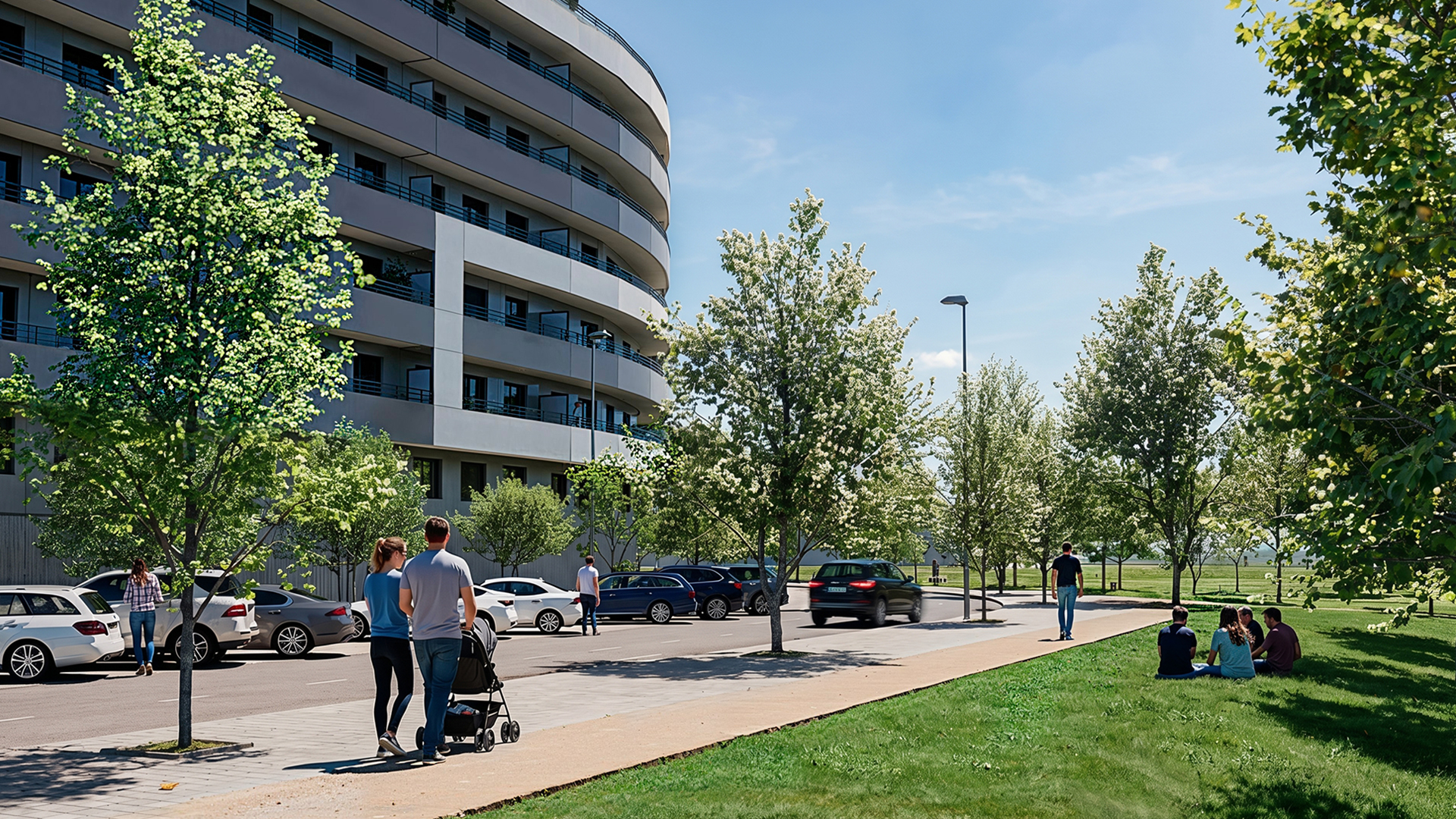

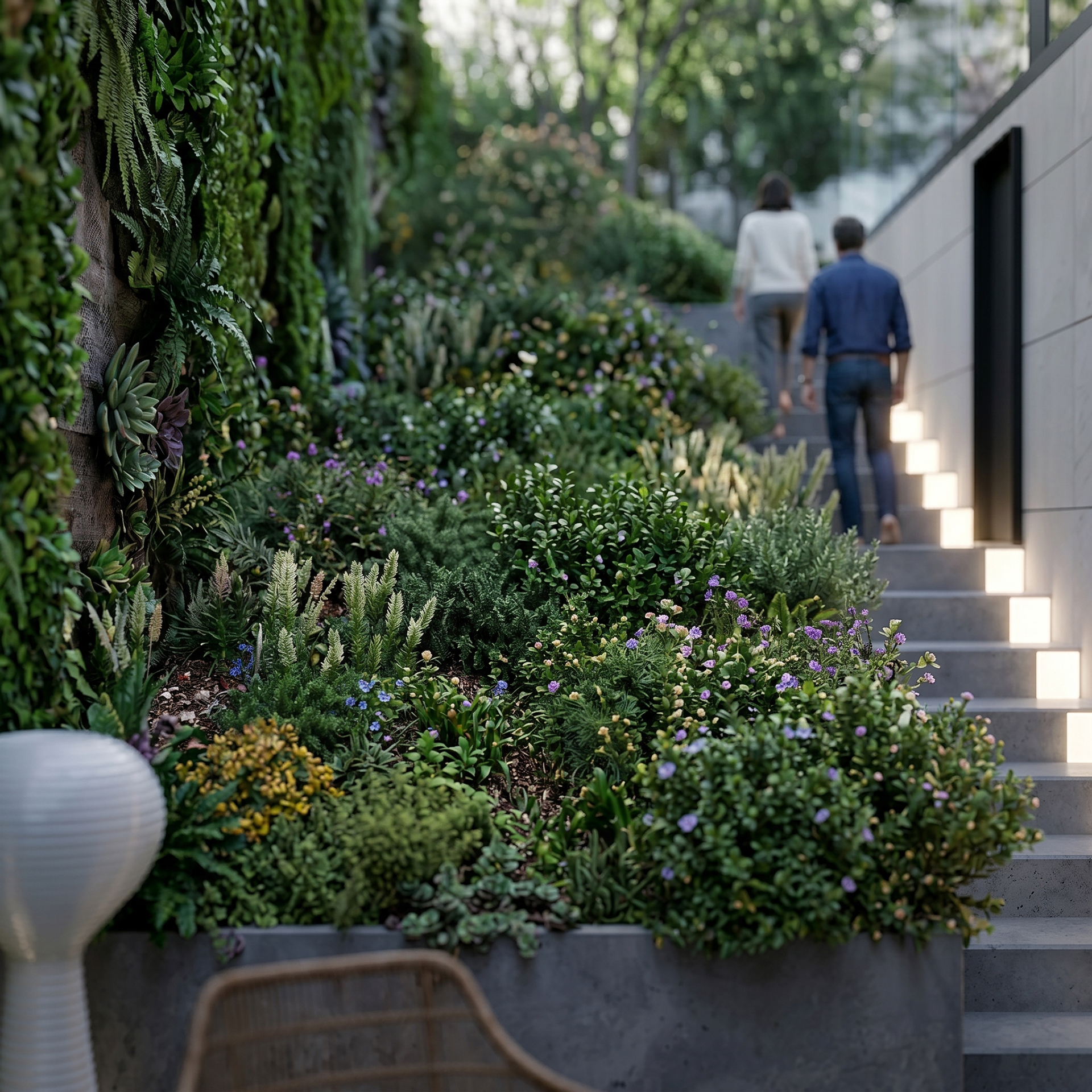
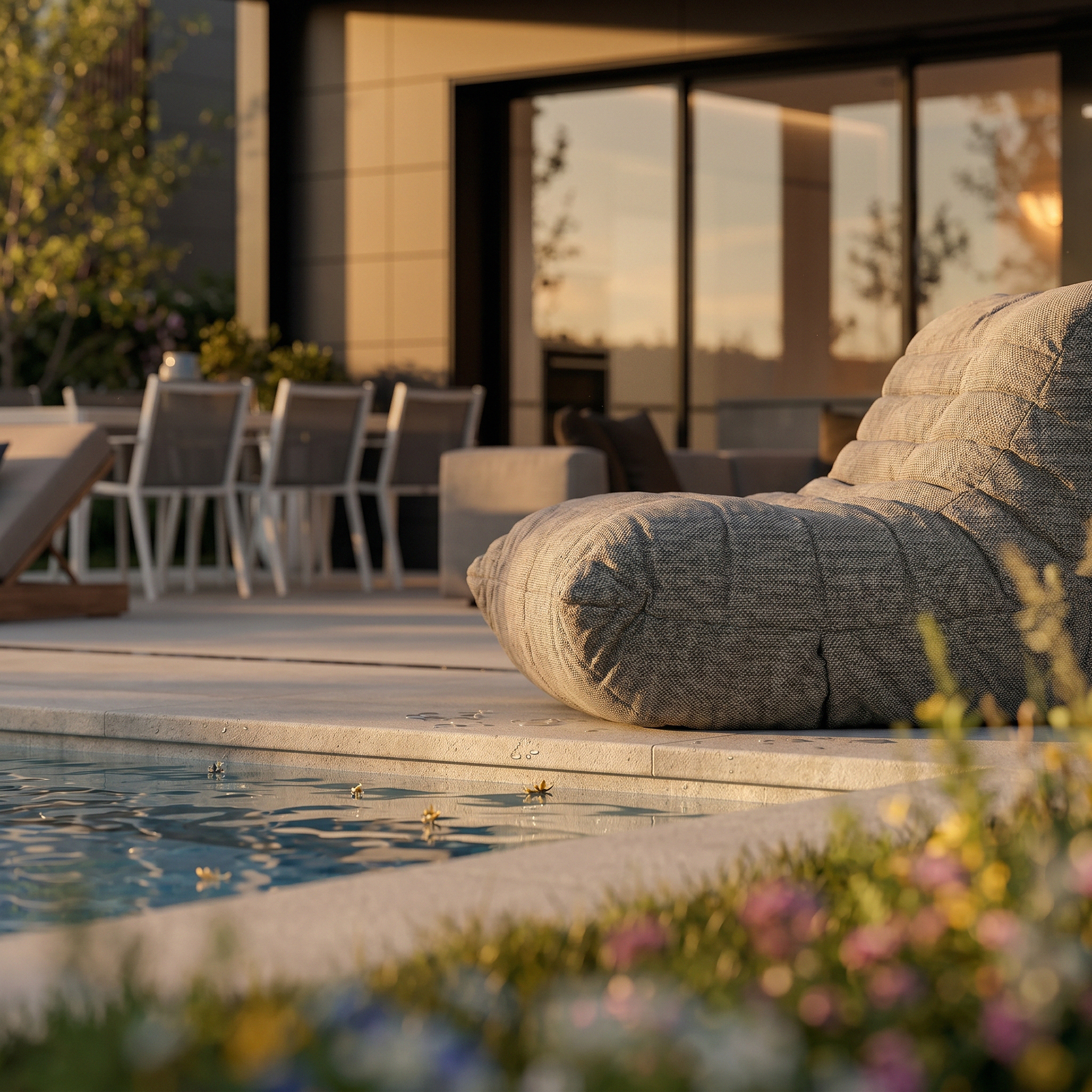


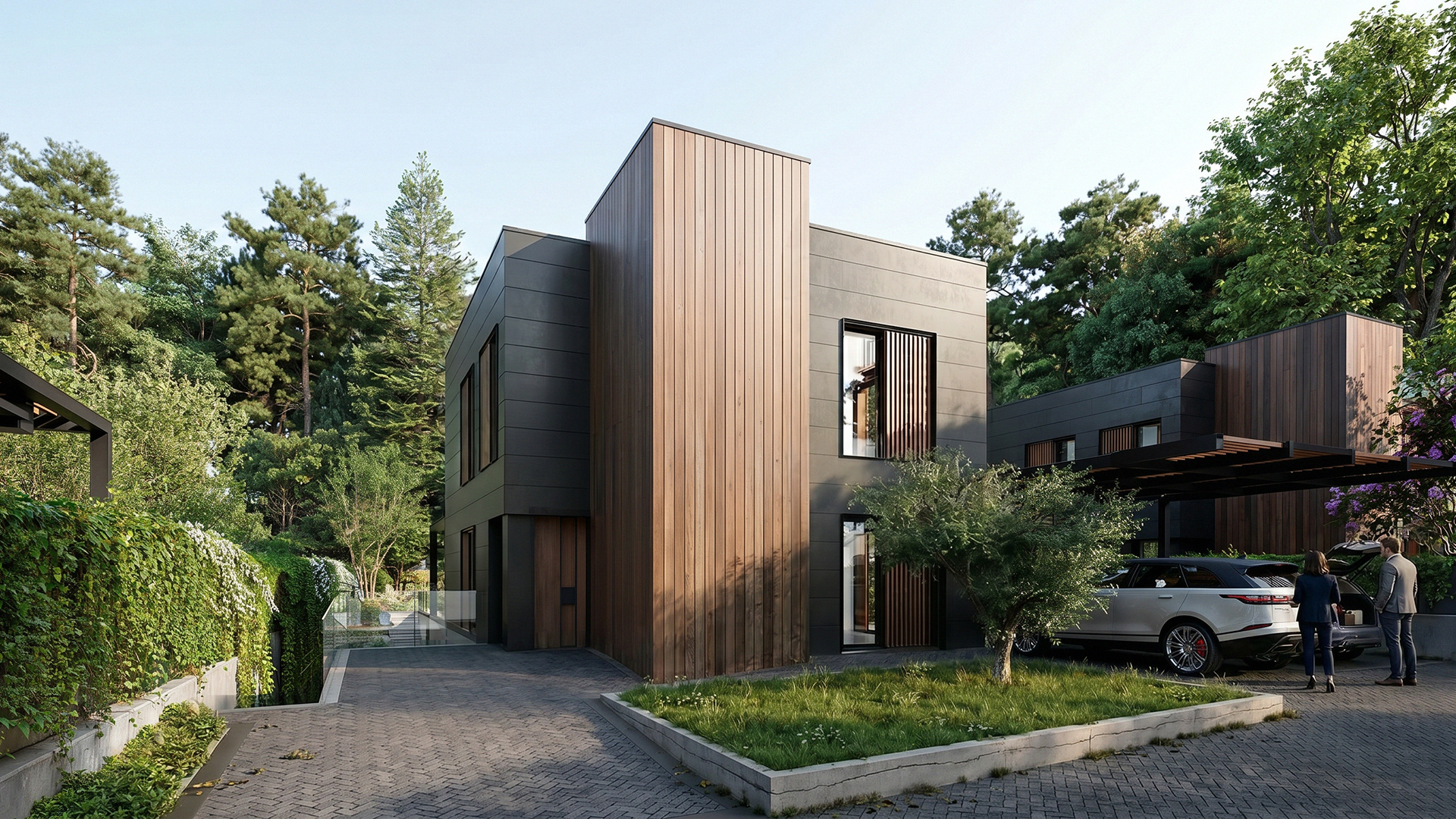
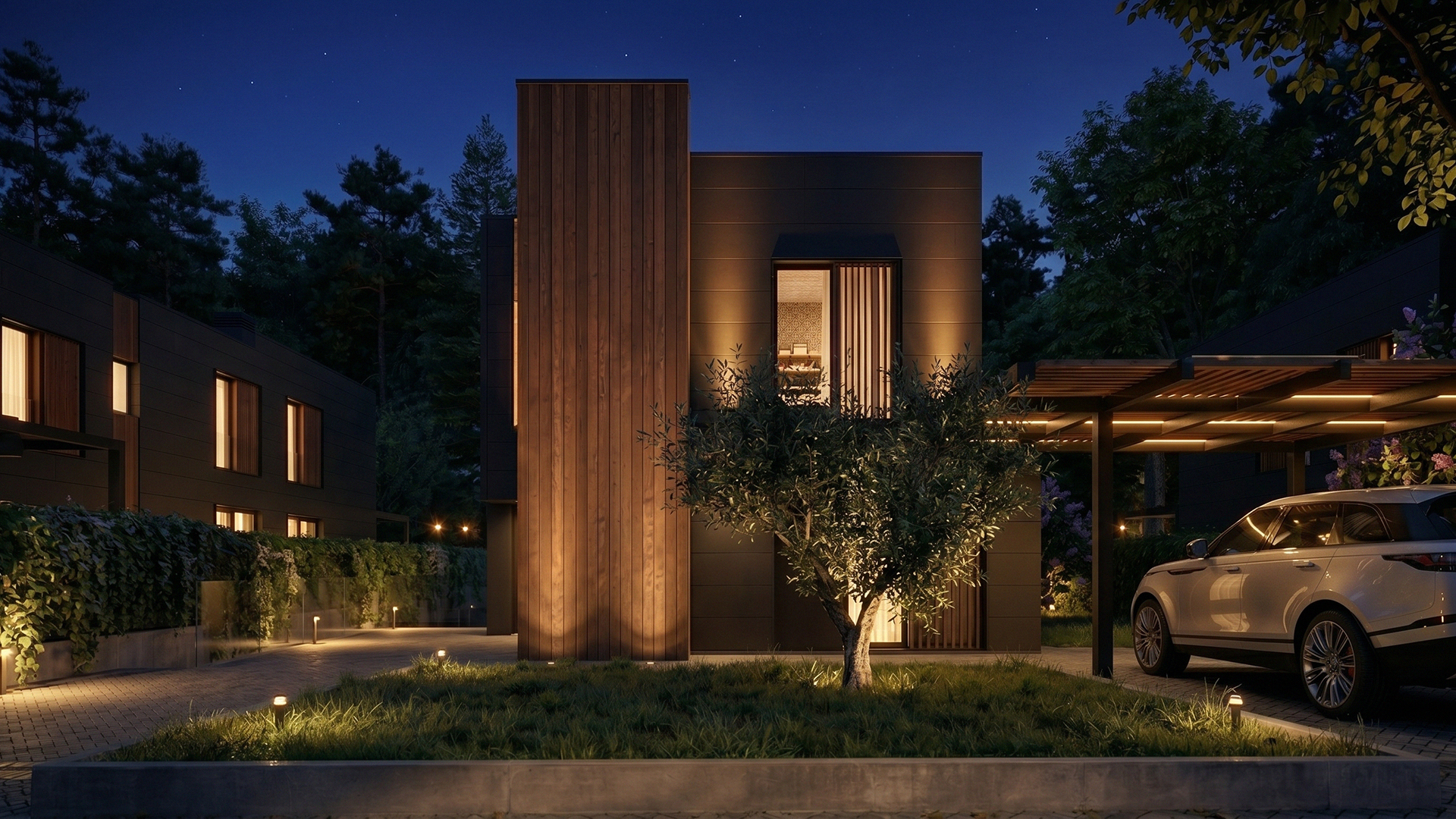

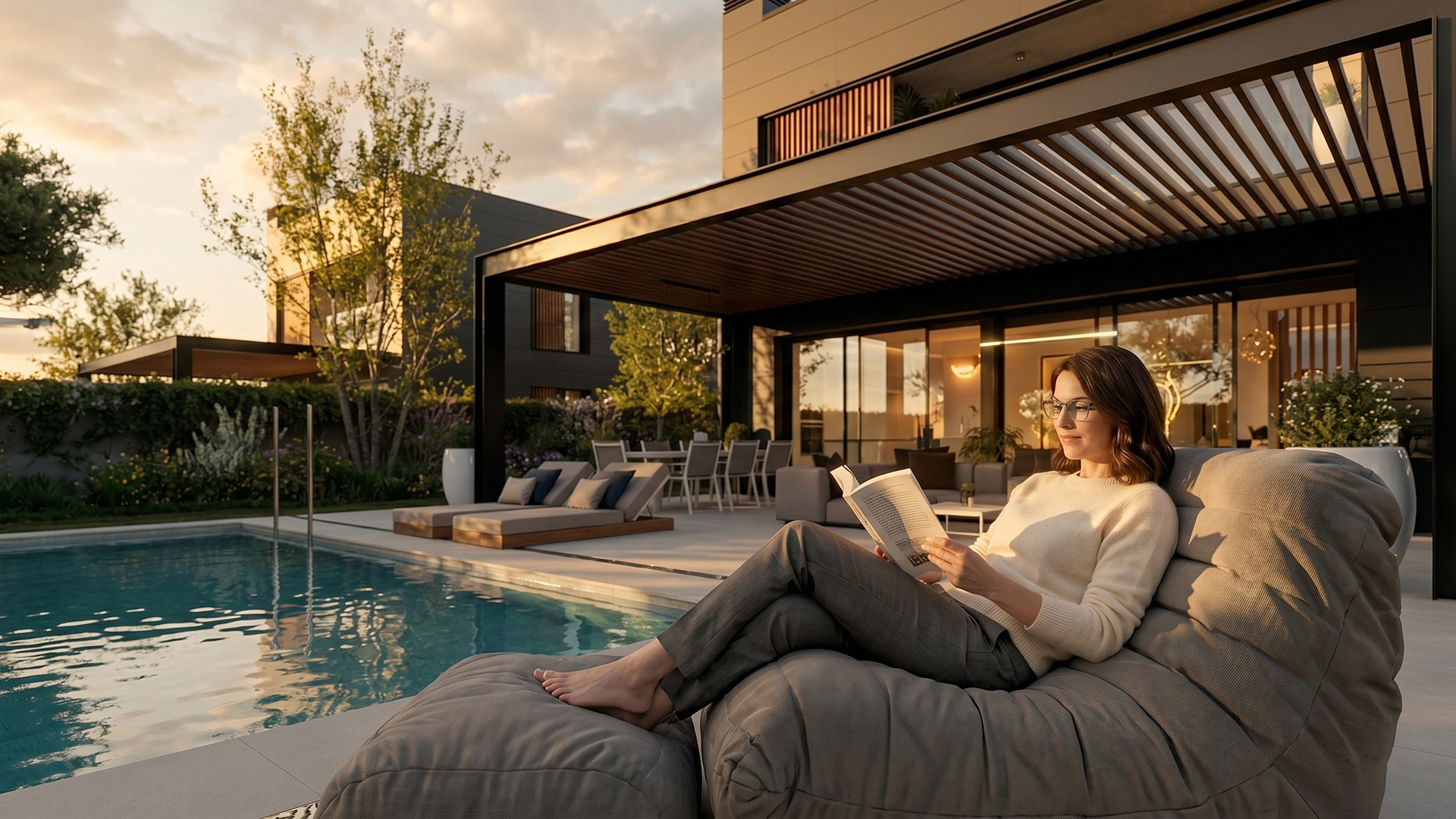
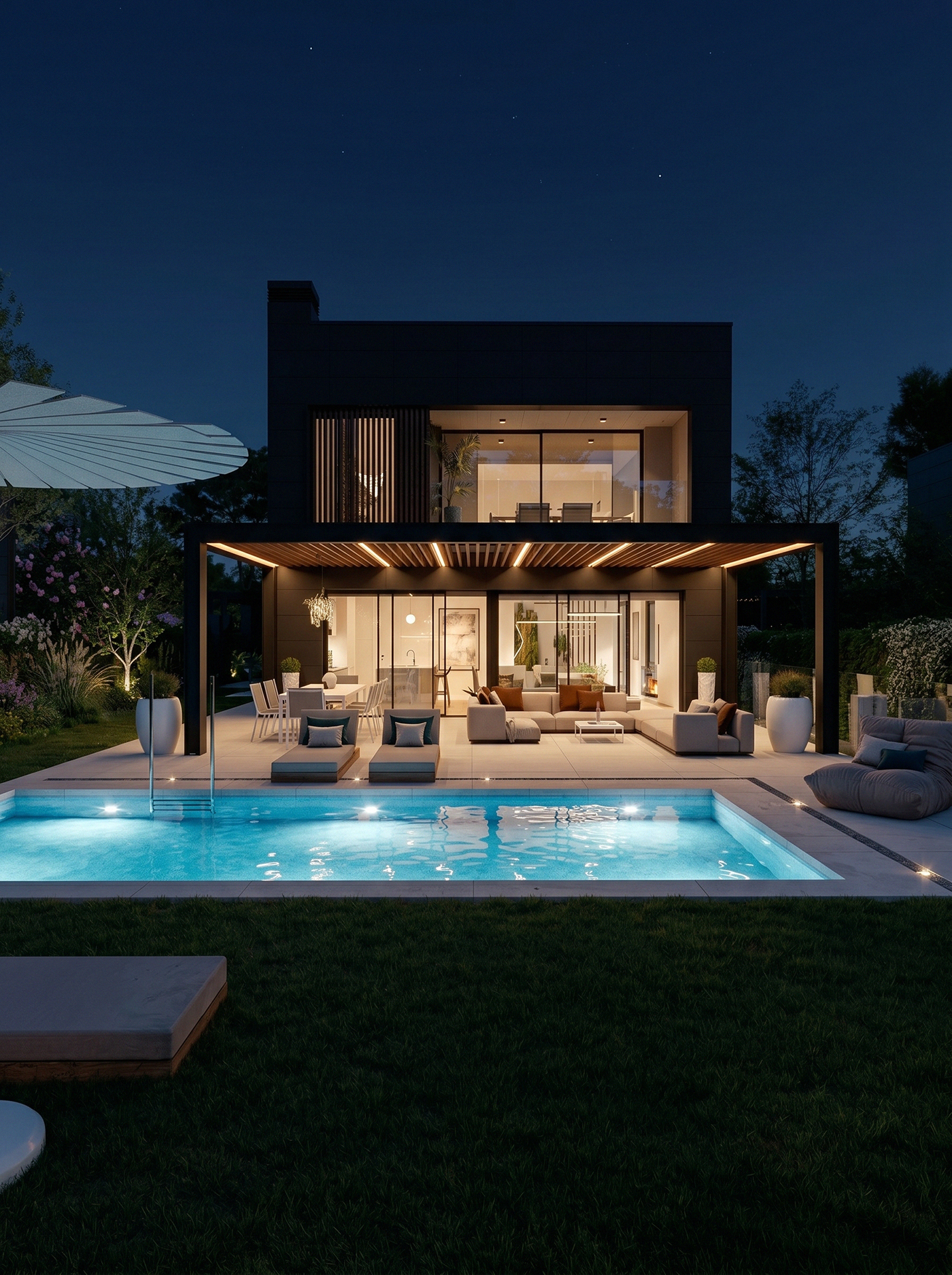
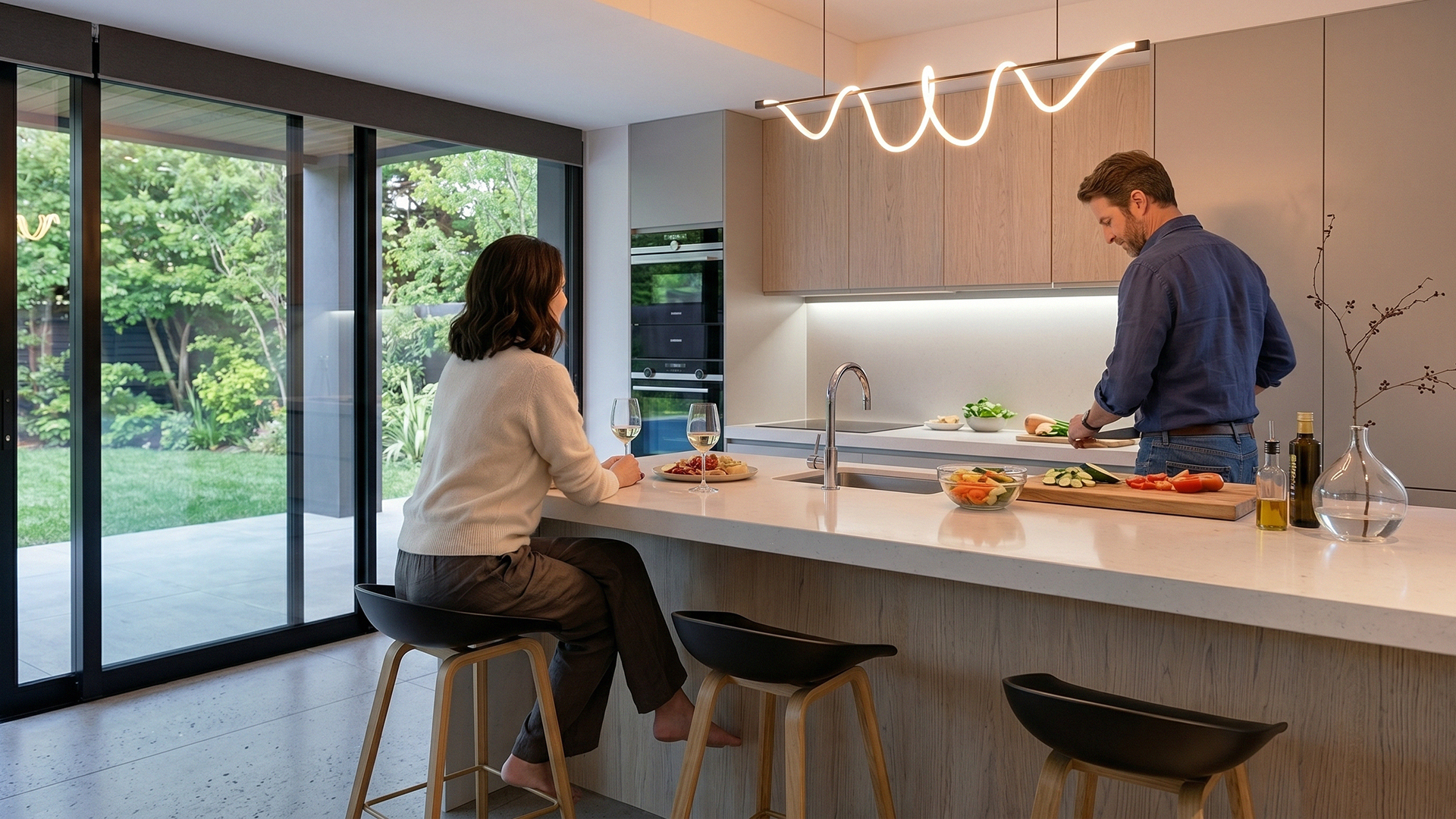
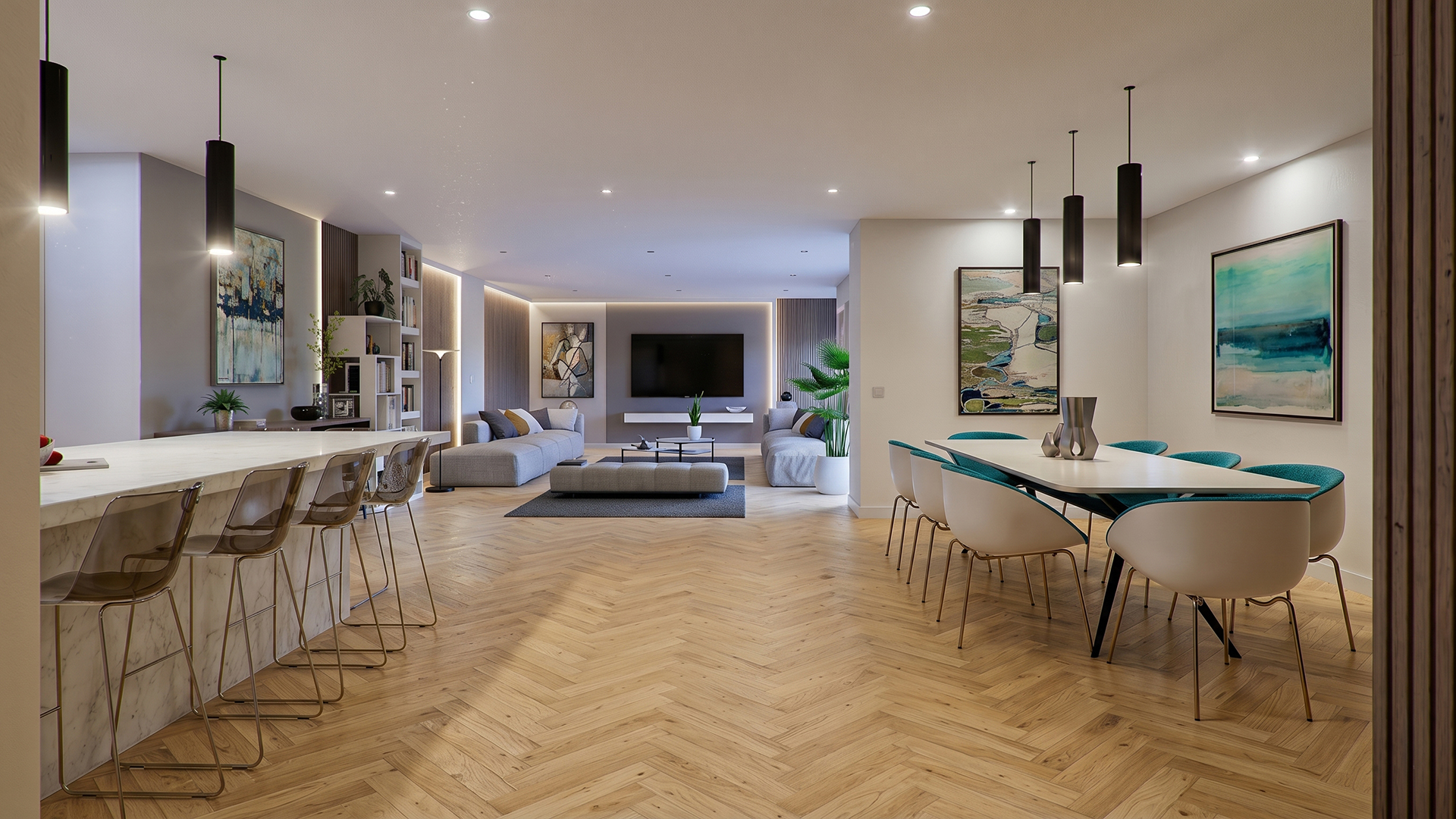

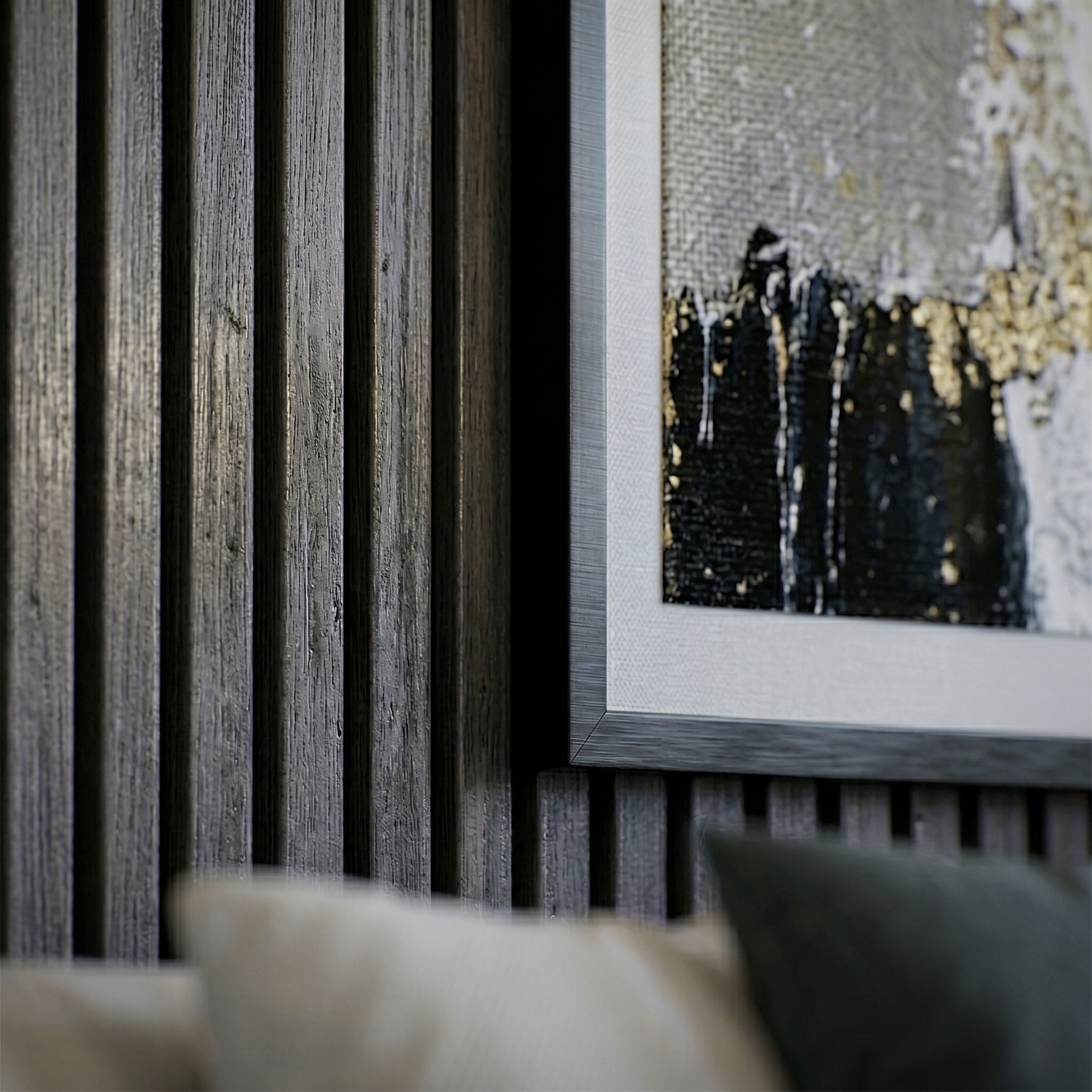
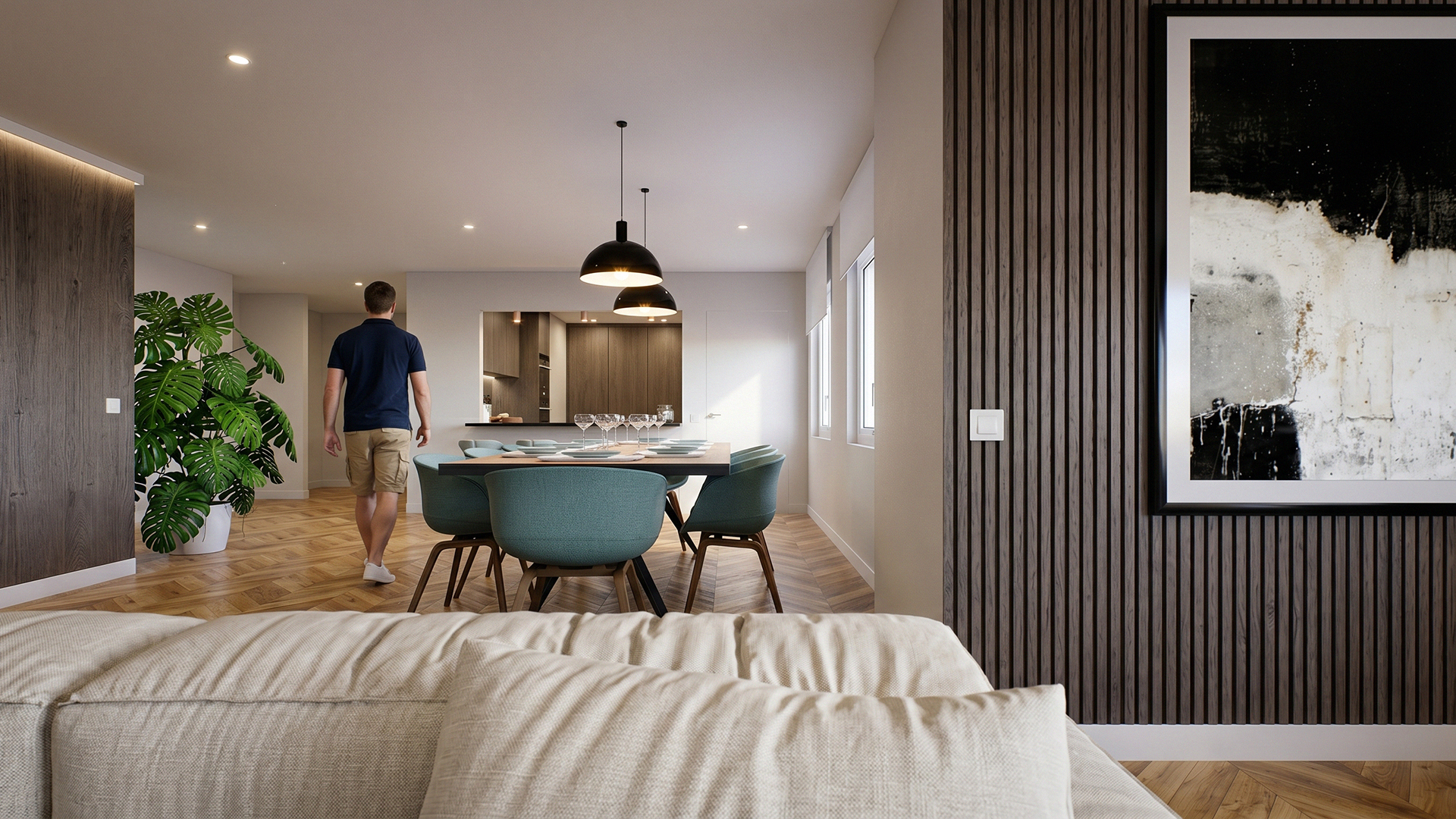
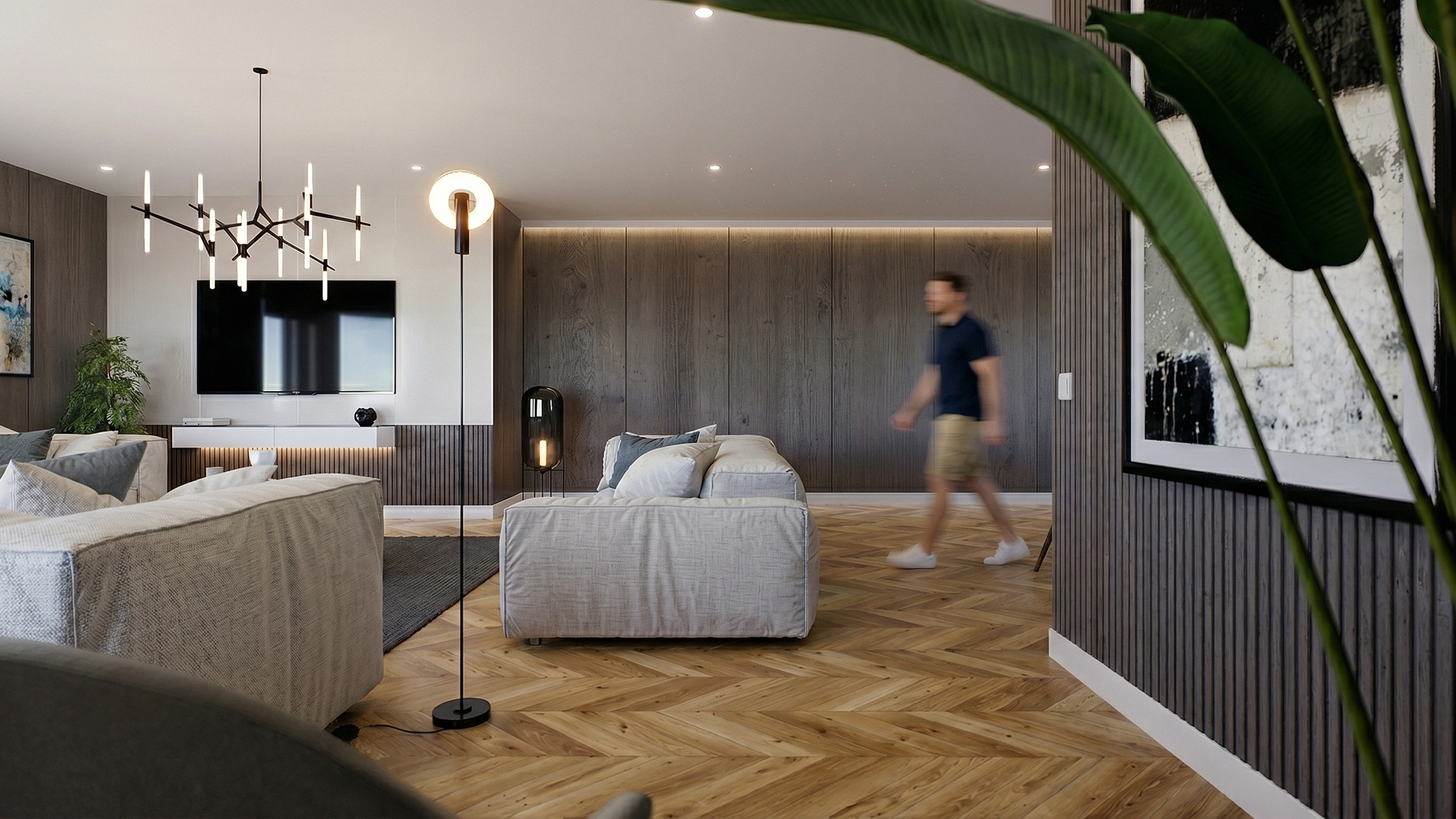
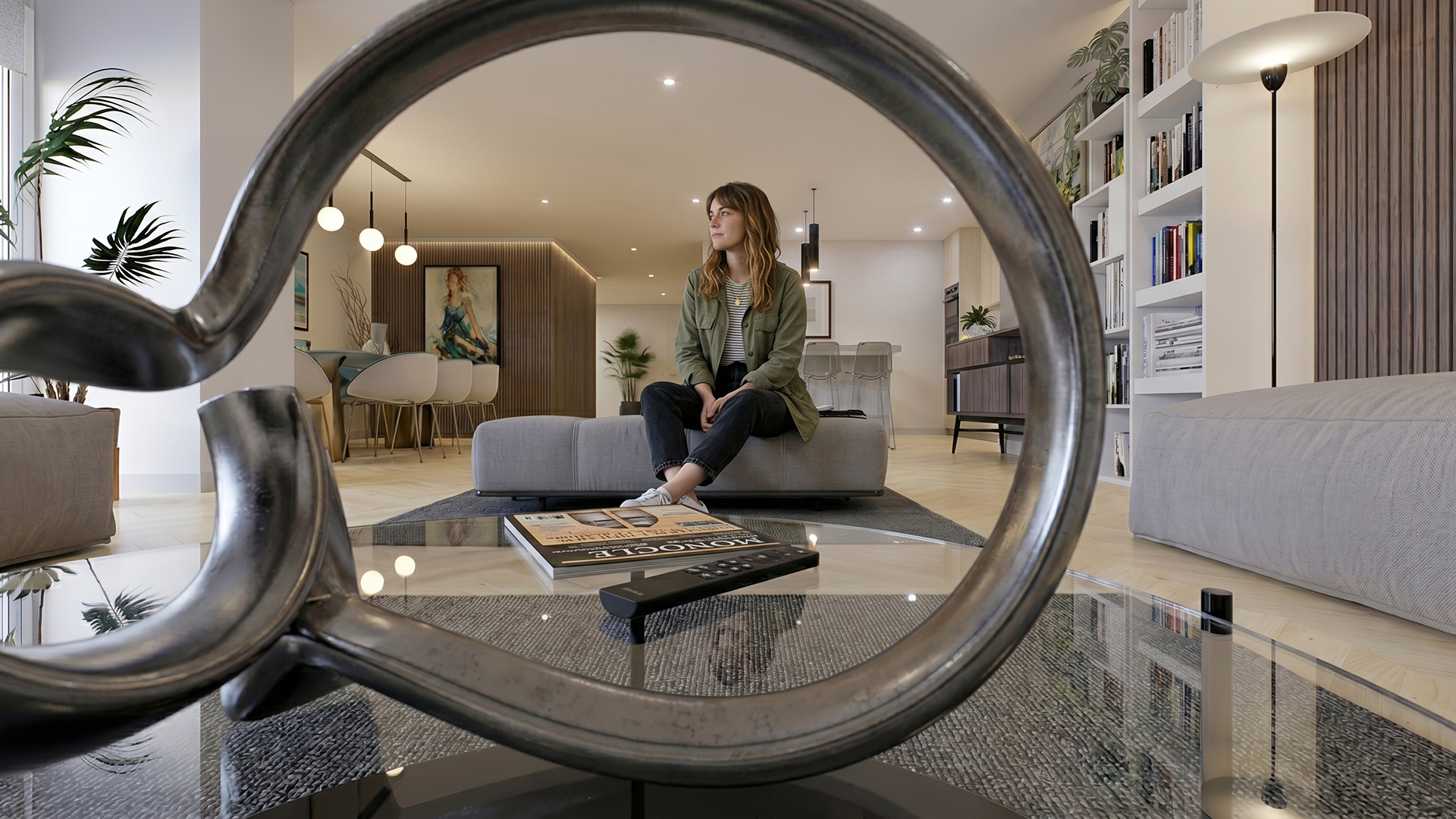
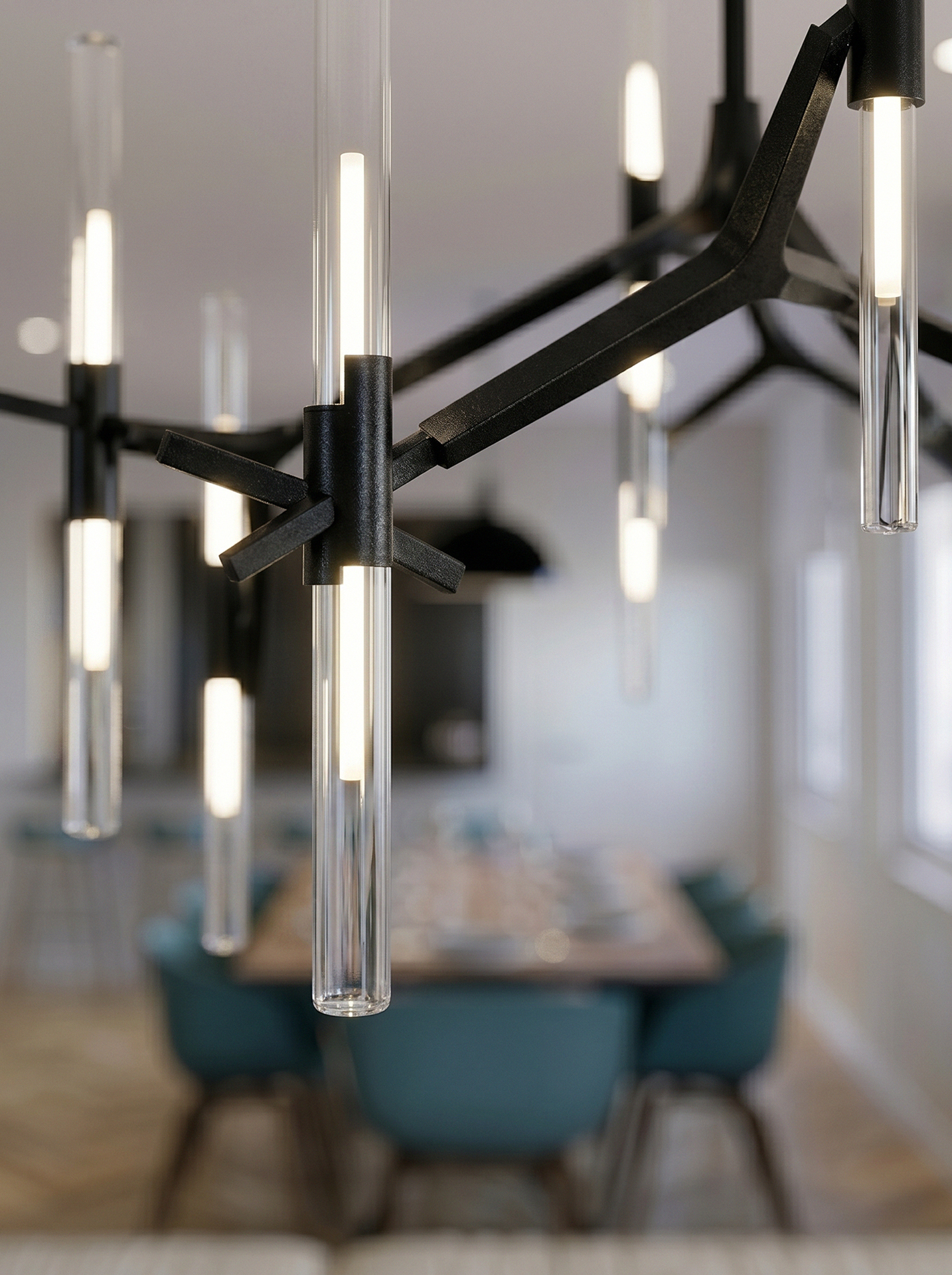

NOTE on the examples
After three decades doing this kind of work, we could show you plenty more. Honestly, it wouldn’t add much.
We’ve worked on everything from the visualization of the Zaragoza Expo to exclusive private villas, including large, medium and small-scale residential developments. We’ve collaborated with major studios and others less known, in Spain and in the United States.
None of that is what matters.
What matters is that all that accumulated experience lets us offer you the best 3D rendering service for your next development.





We don’t just produce static renderings
Depending on your project’s requirements, we can also produce:
- ‘live’ images, with movement, to bring a scene to life without having to produce a full video
- floor plans, to better explain layout, scale and orientation
- virtual tours, so that the buyer can get a feel for the space before visiting it
Each format serves a different purpose.
The key isn’t to use them all.
The key is to choose the ones that make sense for your marketing campaign.
Frequently Asked Questions
These frequently asked questions about 3D rendering answer the most common queries from developers who work with us.
Other questions are answered in the testimonials.
How many images do I need for my development?
There is no one-size-fits-all number for all property listings. It depends on how many different features need to be showcased: the exterior, the living room, the terrace, the views, the communal areas, the bedroom, the kitchen or any other truly key feature.
We work with a minimum of 12 images. Beyond that, each additional image should have a reason for being included.
The more images I commission, the better will the development sell?
Not necessarily.
Twelve well-chosen images can be more useful than thirty that show practically the same thing.
Each piece should serve a purpose:
to capture attention, explain a space, show a view, answer a question or help the viewer imagine a way of life.
We prefer to justify the inclusion of each piece rather than simply fill a gallery.
At what resolution do you deliver the images?
Usually in 4K, which is sufficient for most digital and commercial uses. Where the medium requires it, we can go up to 16K.
The important thing is to know in advance where you’re going to use the image. There’s no point paying for pixels you’ll never see.
Does an interior image cost the same as an exterior one?
Not necessarily, because the cost depends more on the complexity than on whether it’s an interior or exterior.
A highly detailed interior may require more work than a simple exterior, and vice versa.
That’s why we prefer to quote for the actual project rather than an abstract rate based on the type of image.
Can I use the same image on websites, online portals, in adverts and on a billboard?
The same image can serve as a basis, but it is not always advisable to provide exactly the same file.
A website, Instagram, a portal, a sales presentation and a billboard all have different aspect ratios and requirements.
That is why we ask where each piece is to be used before producing it.
What is the difference between a rendering and a 3D shop floor plan?
A rendering aims to help the buyer visualise and experience a space.
A floor plan aims to help them understand how rooms, circulation routes and furniture relate to one another.
One sparks desire. The other dispels doubts.
What is the point of a shop layout if I already have the architect’s plans?
The technical drawing is designed to define the project. The sales brochure is designed so that the prospective buyer can understand it.
Layouts, proportions, furnishings and the relationship between spaces are clear without forcing the buyer to interpret architectural symbols.
If something is difficult to understand, it is even harder to buy.
What exactly is a ‘Live’ image?
An image that appears to be still but contains small moving elements.
This contrast catches the eye without turning the piece into a video.
It works particularly well on the web and in digital communications. When everything else is still, a well-chosen movement really stands out.
When does it make sense to use a 360° view rather than more renders?
When the freedom to explore a space offers more than just another view of our own choosing.
It is particularly useful for buyers viewing properties remotely or for homes where the layout needs to be understood by walking through them.
It is not a universal substitute for a rendering: each format addresses a different need.
We can produce them in up to 16K resolution when required.
Do you produce visualisations for architectural competitions?
Yes, and we’ve been doing this for architects from different countries for decades. We know what each type of jury and each presentation format requires.
Do you use artificial intelligence?
Yes, when it enables us to improve or expand what we can produce. It is particularly helpful in bringing life, movement and atmospheres to the screen that used to be very costly.
We use it as a tool, not as a substitute for direction.
So part of my job is done by a machine?
Some visualisation tools have always been automated: 3D calculation, rendering engines, editing and now AI.
What matters to you is not which button is involved, but who decides what the image should depict and who ensures it is depicted correctly.
Technology can automate production. It should not automate judgement.
With AI, you can create images almost for free. Why should I pay you?
Because taking a photo is becoming cheaper, but getting the photo wrong is still costly.
The hard part isn’t taking the photo:
it’s deciding which property to showcase,
which view helps justify the price,
which visual element dispels any doubts, and
what will make the buyer think, ‘I can see myself living here’.
AI makes it cheaper to take the photo. It doesn’t replace good judgement.
Why don’t I generate the images using AI?
You can do it, just as you can take photographs with a mobile phone.
The question is not whether the tool allows you to produce something, but whether you can maintain the architecture, materials, perspectives, coherence and a deliberate commercial direction throughout the entire development.
Can AI alter the actual architecture of the project?
That is precisely one of the risks that needs to be managed.
A marketing image should not invent features that the buyer will perceive as real.
We use these tools under supervision and review. Persuading is not the same as promoting something you are not going to deliver.
What are the risks or limitations of AI in visualisation?
Without direction, it produces generic images that could be from any marketing campaign.
And consistency is the key: maintaining the same project, the same materials and the same approach across dozens of pieces.
That is why, at GAYARRE, AI always responds to a pre-defined objective: the target audience, the tone of the project and the message to be conveyed.
Where can I read your stance on AI?
You can read about our vision, our values and our approach to their application in the G’s AI Manifesto.
What are the three levels?
Three different starting points, not three different quality levels.
Level 1: You already have images, and we want to see how far we can take them.
Level 2: You are producing from scratch and haven’t made any costly decisions yet.
Level 3: Simply showcasing the development isn’t enough; you need to tap into what drives the buyer.
It’s not about moving up a level. It’s about starting where your development currently stands.
Who decides the level?
We propose it after the first meeting, once we know what development you have, what materials are available, and what stage the sales process is at.
It isn’t something you select from a chart before we speak.
I already have renders, and I'm not happy with them. Do I have to start from scratch?
Not necessarily. That’s what Level 1 is for.
If the images provide a usable foundation, we work directly on them—refining materials, lighting, decor, atmosphere, and the sense of life. Using post-production and artificial intelligence, we can generate new visuals and even video without having to re-model the entire project.
First, we review the assets you have. Then, we’ll determine the full potential of what can be achieved.
Is Level 3 only for luxury promotions?
No. Level 3 is about commercial ambition, not the price tag.
It can make sense for a mid-priced promotion that needs to sell quickly, just as it does for a four-million-dollar deal where perceived value is critical. The buyer changes, their problems change, and the story changes.
The mechanism remains the same: ensuring recognition first, so the promotion is viewed in a new light.
Is the G-System included in all three levels?
Yes, always. It’s not an extra that can be cut from the budget.
What changes from one level to the next is not whether we apply the method, but the depth of the intervention and the point at which it begins.
Do the three levels include images and video?
Yes. What changes is the scope and the starting point.
The benchmarks are 12 images and around one minute of video for Level 1;
24 images and around two minutes for Level 2;
36 images, around four minutes of cinematic video and social media clips for Level 3.
These are scale benchmarks. The final scope is set out in the proposal.
What exactly is the G System?
The process we follow before producing anything, to decide who we need to convince and what that person needs to see.
We analyse the development, identify the target buyer and turn the project’s features into visual selling points.
First, we decide what the development needs to communicate. Then we get the machinery up and running.
What does it involve?
Four steps:
Define your ideal client. What sort of buyer makes the most sense for your campaign?
Decide what to show. What do they value, what are their concerns, and what do they need to see before moving forward?
Decide how to present it. Which images, videos or materials help them better understand the value of the project?
Optimise to persuade, not to decorate. Each element must fulfil a specific purpose.
The format comes last. Never first.
What do I get from the G System?
A presentation outlining your target buyer: what motivates them, what might hold them back, what needs to be highlighted, and where it isn’t worth spending time or money.
These criteria are also useful outside the scope of our work:
on your website, in adverts, in sales presentations, and in your sales team’s sales pitch.
Why define an ideal buyer if I want to sell to everyone?
Because trying to appeal to everyone visually often results in a message that isn’t particularly relevant to anyone.
The same terrace can symbolise family life, status, privacy, relaxation or an investment, depending on who is looking at it.
Choosing a priority buyer does not prevent others from buying. It simply helps someone feel much more strongly that this property is made for them.
What data are you basing this on?
Based on the available information regarding the development, the product, the location, prices, the competition and the demand profile.
We use this to formulate a reasoned hypothesis.
The G System does not aim to predict who will purchase each property. It aims to prevent visual decisions from being made on the basis of personal taste.
The more information we have, the less room there is for intuition.
What if my marketing department has already defined the buyer?
Better still. We don’t need to replace a job well done.
We take that information as our starting point, compare it with the visual requirements of the campaign, and turn it into specific decisions about what to show and how.
Marketing and visualisation should be telling the same story.
Doesn’t this slow down a project that used to start straight away with the renders?
Make a decision at the outset to avoid having to make lots of arbitrary decisions later on.
Knowing which spaces matter, what atmosphere we’re aiming for and what function each piece serves allows us to produce with a much clearer direction.
Starting production very early on doesn’t mean finishing sooner.
Is the G System only used for selecting renders?
No. The approach that stems from this ensures consistency across video, 360, the web, adverts and all other marketing material.
We take care of translating this into the visuals we produce, but the logic goes further than that.
When you know which messages matter, you can repeat them throughout all your communications.
Does the G System guarantee higher prices or faster sales?
No. No serious professional can guarantee the commercial outcome of a marketing campaign based solely on its visuals: the product, price, market, financing, location and sales force all play a part too.
What we do focus on is how the buyer perceives the value before they physically view the property.
Can I just commission the renderings and forget about the G System?
If you’re looking purely for visual production, there are probably more suitable studios.
Our way of working involves making precisely those decisions before we start production.
It’s not just a decorative extra tacked onto the budget: it’s the reason why we don’t start by asking you which camera you want.
What kind of 3D renderings does your development need?
I’m here whenever you’re ready.